After waiting 20 years to return to the World Cup, the Czech Republic arrived in North America believing they could be one of the tournament’s surprise packages.
Drawn alongside Mexico, South Korea and South Africa, many observers felt progression to the knockout stages was a realistic objective. They had qualified through the play-offs, overcoming both the Republic of Ireland and Denmark on penalties, and travelled to the tournament with experienced figures such as Patrik Schick and Tomáš Souček forming the backbone of the squad.
Instead, the campaign never truly caught fire.
The Czechs entered the tournament with a reputation for being organised, physically strong and dangerous from set-pieces. Manager Miroslav Koubek had built a side that was difficult to break down and capable of competing with stronger nations. Yet the qualities that had helped secure qualification were not enough on the biggest stage.
A lack of creativity in possession and an overreliance on Schick for goals left them struggling to turn competitive performances into positive results.
The disappointment was amplified by the sense that the draw had given them an opportunity. This was not a group featuring traditional heavyweights such as Brazil, France or Argentina. Mexico were always likely favourites to progress, particularly as hosts, but South Korea and South Africa were viewed as opponents the Czech Republic could overcome. Instead of establishing themselves as dark horses, they found themselves once again confronting the reality that their squad lacked the depth and quality possessed by the leading football nations.
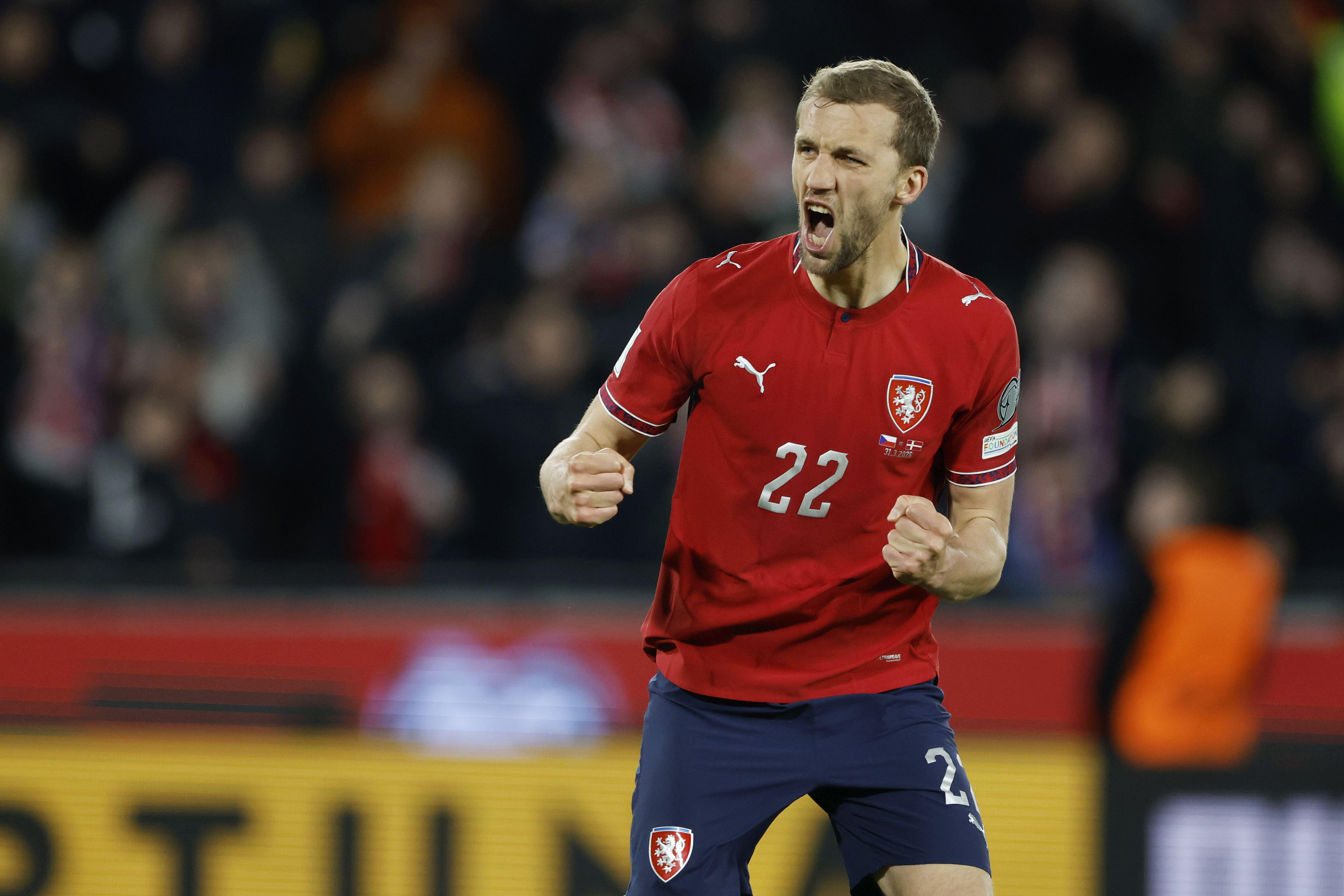
Much of the scrutiny fell on Schick and Souček. Both remain hugely respected within Czech football and while neither emerged from the tournament with their reputations damaged, supporters expected more from their experienced internationals. Schick remained the side’s biggest goal threat, while Souček continued to provide leadership and energy in midfield, yet neither was able to drag the team towards the knockout rounds in the way many had hoped. Both will now have a point to prove in the Nations League campaign.
Back home, the reaction was one of frustration rather than outrage. Merely reaching the World Cup had been considered an achievement after a 20-year absence, particularly given the chaotic route to qualification and the managerial upheaval that preceded it. However, once qualification had been secured, expectations naturally rose. The general feeling from the media and fans was that an opportunity had been missed.
Attention quickly turned towards Koubek’s future. The veteran coach had been appointed in difficult circumstances and was widely credited for rescuing the qualification campaign, but the World Cup exposed some of the limitations within both the squad and the tactical approach. Debate emerged over whether Czech football needed to embrace a younger, more progressive style or continue to lean on the pragmatism that had brought them this far. Given Koubek’s age and the long-term cycle leading towards Euro 2028 and the next World Cup qualification campaign, discussion over succession became inevitable.
What is clear is that Czech football finds itself at an interesting crossroads. The current generation still possesses proven performers such as Schick, Souček and Adam Hložek, but there is an acceptance that a new generation needs to emerge if they are to challenge regularly on the international stage. The country’s return to the World Cup should not be viewed as a failure, more a stepping stone or a reminder of how difficult it has become for middle-ranking European nations to compete consistently with football’s elite.
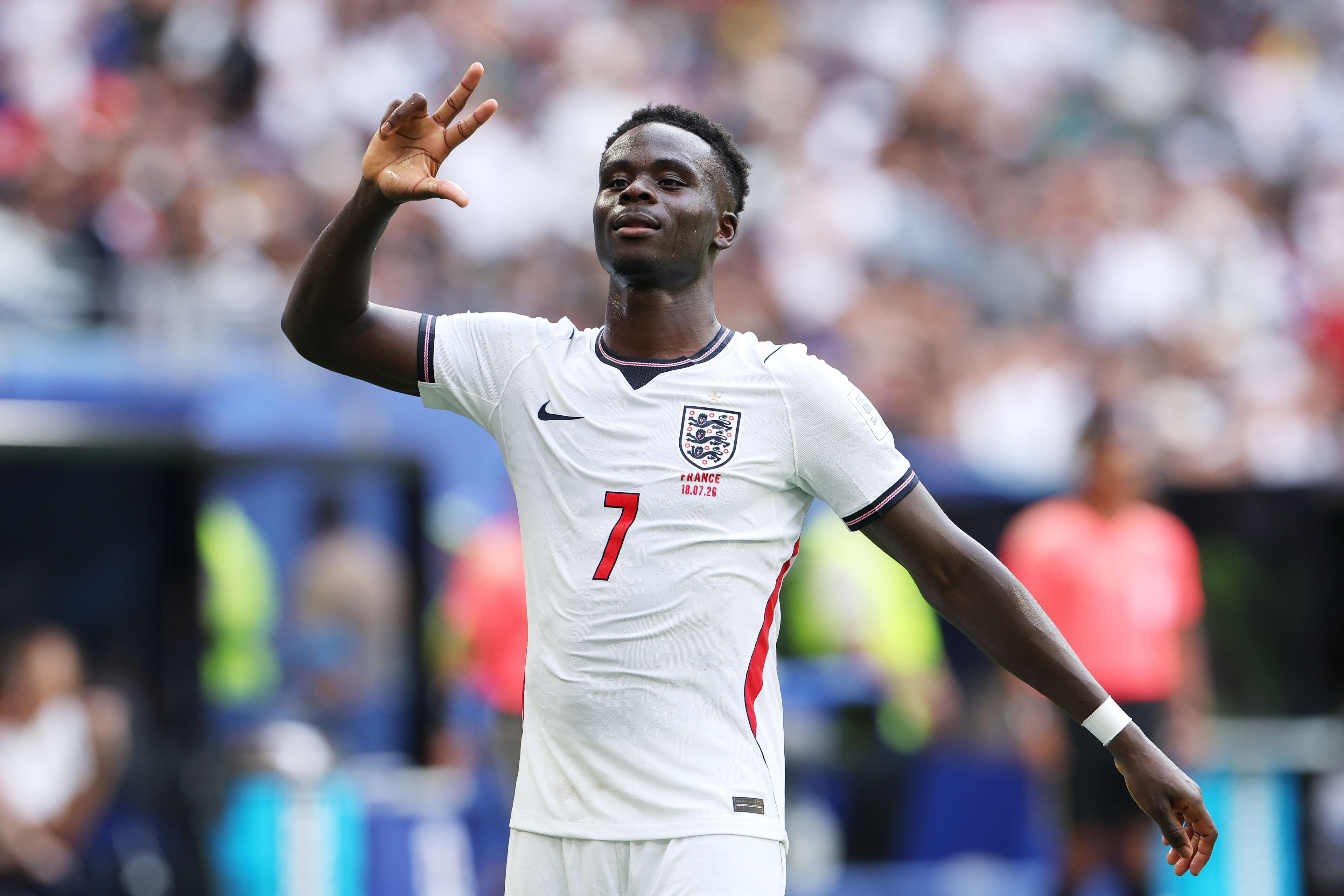
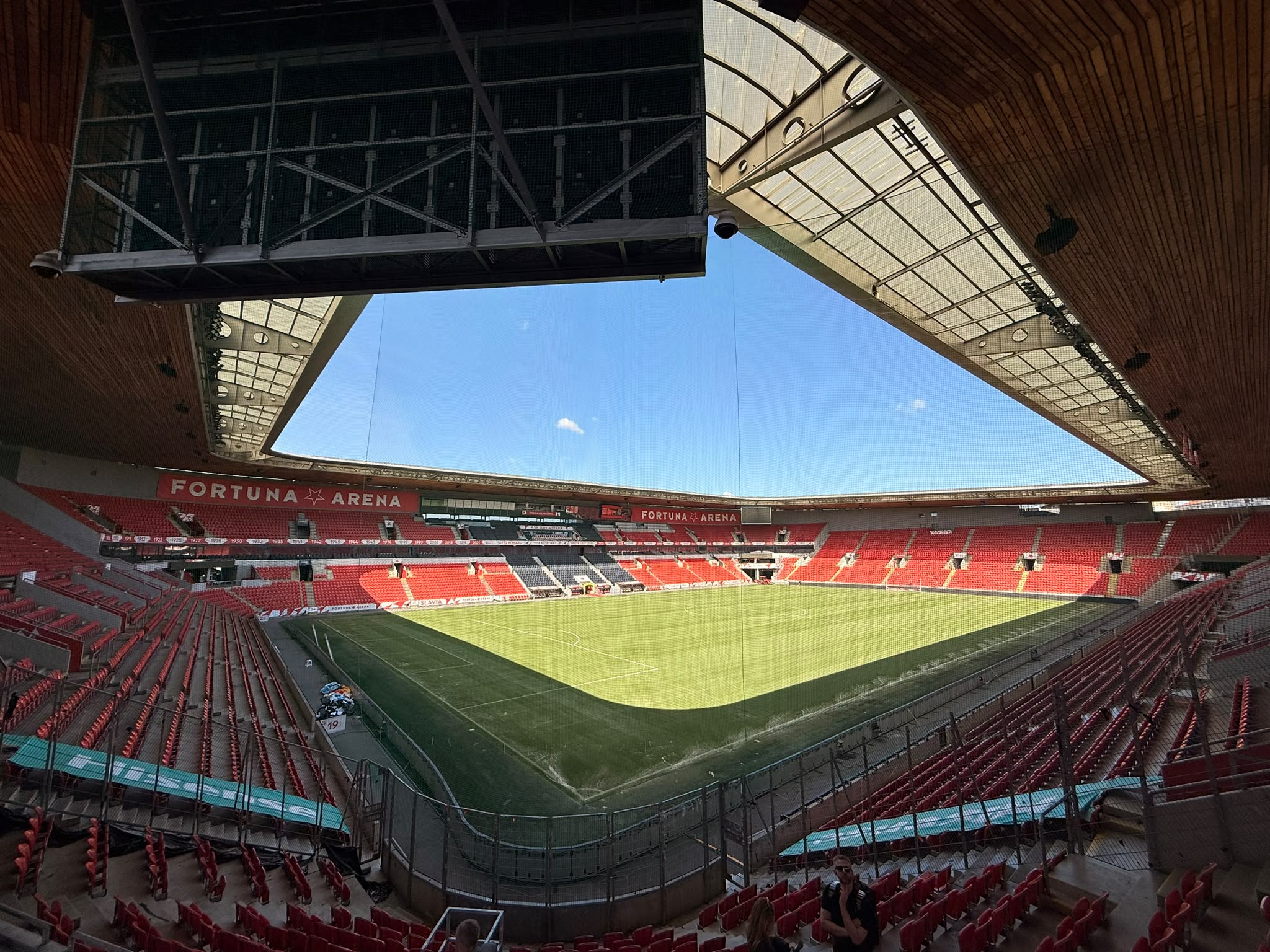
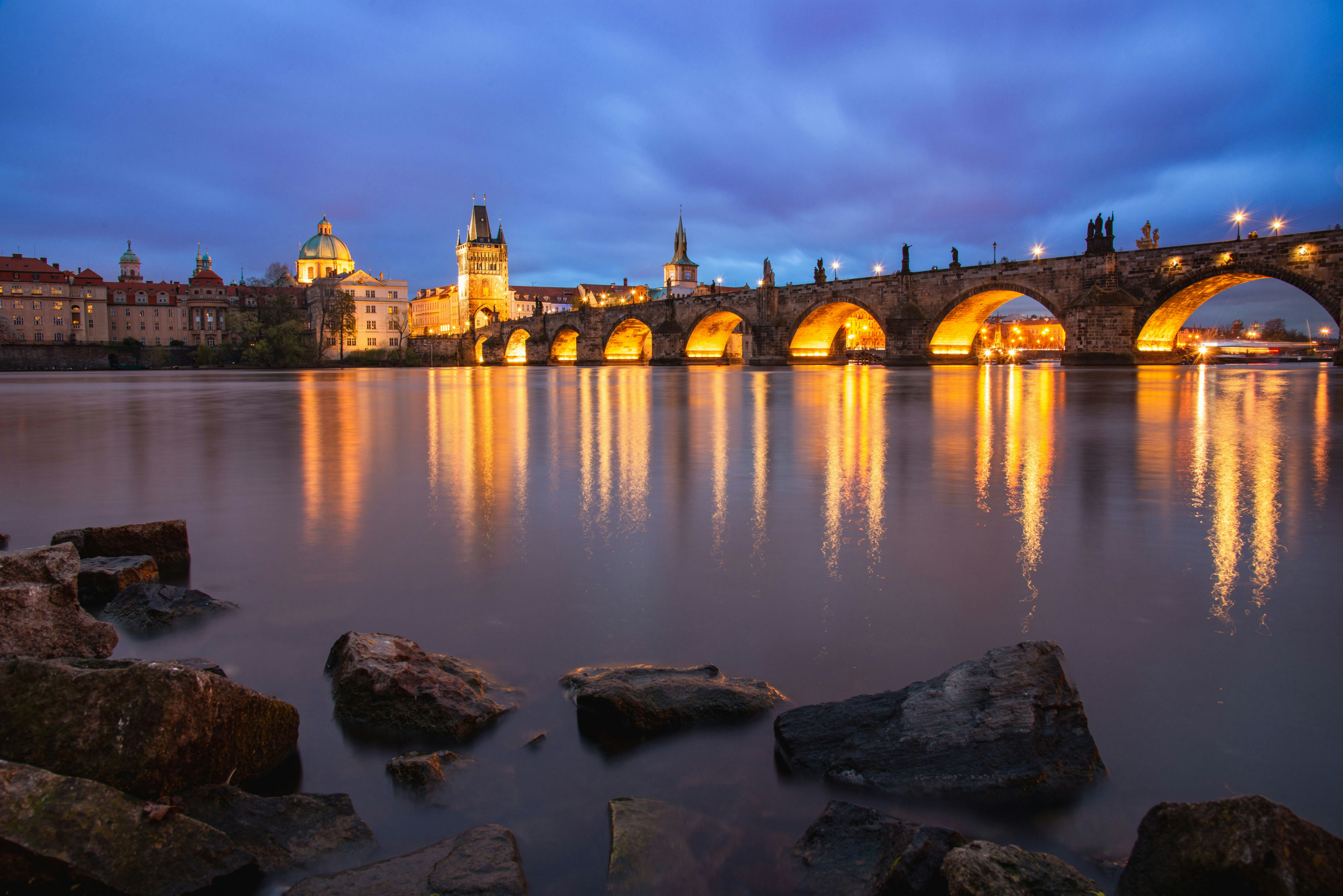
For England, that underwhelming World Cup campaign should not lead to complacency in Prague. The Czechs remain physically imposing, tactically disciplined and dangerous from dead-ball situations. They may have left North America disappointed, but they still possess enough quality and experience to make life uncomfortable for any opponent. England be warned.